Why Choose At-Home Art Experiences for Your Kids?

Art is not just a subject in school; it is a vital part of childhood development. In today’s fast-paced world, parents are increasingly looking for ways to engage their children in creative activities that foster imagination and self-expression. One of the most effective ways to do this is through at-home art experiences. These experiences not only provide a creative outlet but also offer numerous benefits that can enhance your child's development.
The Importance of Art in Child Development
Art plays a crucial role in the overall development of children. It helps them express their feelings, develop fine motor skills, and improve cognitive abilities. Here are some key benefits of engaging children in art:
Emotional Expression: Art allows children to express their emotions in a safe and constructive way. Whether they are happy, sad, or frustrated, creating art can help them process their feelings.
Fine Motor Skills: Activities such as painting, drawing, and sculpting require coordination and control, which help develop fine motor skills.
Cognitive Development: Art encourages critical thinking and problem-solving. When children create, they learn to make decisions and think creatively.
Social Skills: Group art activities can foster teamwork and communication skills. Children learn to share ideas and collaborate with others.
Why At-Home Art Experiences?
While art classes and workshops are beneficial, at-home art experiences offer unique advantages. Here are some reasons to consider bringing art into your home:
Flexibility and Convenience
At-home art experiences allow for flexibility in scheduling. You can choose when and how long to engage in art activities, making it easier to fit into your family’s routine. This convenience means that art can become a regular part of your child’s life rather than a sporadic event.
Cost-Effective
Art supplies can be purchased at a relatively low cost, and many activities can be done with items you already have at home. This makes at-home art experiences a budget-friendly option for families.
Personalized Learning
Every child is unique, and at-home art experiences allow you to tailor activities to your child's interests and skill level. You can introduce new techniques or materials based on what excites them, making the experience more engaging.
Safe Environment
Creating art at home provides a safe and comfortable environment for children to explore their creativity. They can experiment without the fear of judgment, which can lead to greater self-confidence and willingness to take risks in their art.
Getting Started with At-Home Art Experiences
Starting at-home art experiences doesn’t have to be overwhelming. Here are some simple steps to help you get started:
Gather Supplies
You don’t need a lot of fancy materials to create art at home. Here’s a basic list to get you started:
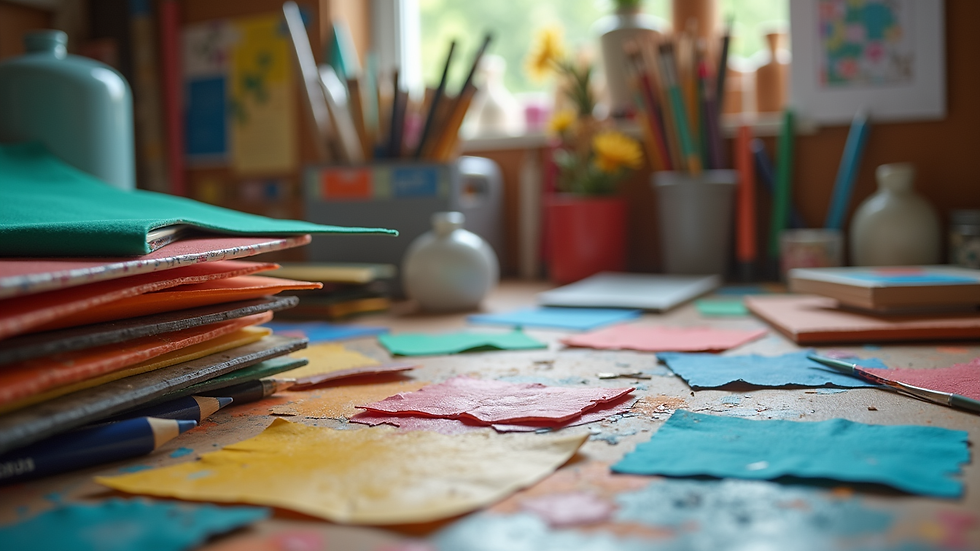
Paper: Various types, including plain, colored, and textured.
Paints: Watercolors, acrylics, or finger paints.
Drawing Tools: Crayons, markers, colored pencils, and charcoal.
Craft Materials: Glue, scissors, fabric scraps, and recyclable materials.
Canvas: For more advanced projects, consider investing in canvas boards.
Create a Dedicated Art Space
Designate a specific area in your home for art activities. This can be a corner of a room or a small table. Having a dedicated space helps to create a routine and makes it easier to access supplies.
Plan Activities
While spontaneity is great, having a few planned activities can help guide your sessions. Here are some ideas:
Themed Art Days: Choose a theme for the day, such as nature, animals, or emotions, and create art based on that theme.
Art Challenges: Set a timer and challenge your child to create something within a specific time frame.
Collaborative Projects: Work together on a large piece of art, such as a mural or a collage.
Encourage Exploration
Allow your child to explore different mediums and techniques. Encourage them to try new things, even if they make a mess. The process of creating is often more important than the final product.
Engaging Activities for At-Home Art Experiences
Here are some engaging activities you can try at home to inspire creativity in your children:
Painting with Nature
Take a walk outside and collect leaves, flowers, and sticks. Use these natural materials to create unique stamps and textures in your paintings. This activity connects children with nature while allowing them to experiment with different shapes and colors.
DIY Art Supplies
Get creative by making your own art supplies. For example, you can create homemade playdough or paint using flour, salt, and food coloring. This not only saves money but also adds an element of fun to the process.
Storytelling Through Art
Encourage your child to create a story through their artwork. They can illustrate their favorite book or invent their own story and depict it through drawings or paintings. This activity combines literacy and art, enhancing both skills.
Art and Music Fusion
Combine art with music by playing different genres while your child creates. Encourage them to express how the music makes them feel through their artwork. This can lead to interesting discussions about emotions and creativity.
Seasonal Art Projects
Celebrate the seasons with themed art projects. For example, create autumn leaf collages, winter snowflake crafts, spring flower paintings, or summer beach scenes. This keeps the activities fresh and relevant throughout the year.
Encouraging Artistic Growth
As your child engages in at-home art experiences, it’s essential to encourage their growth and development. Here are some tips to support their artistic journey:
Provide Positive Feedback
Always offer constructive feedback. Focus on what they did well and encourage them to express their thoughts about their work. This helps build confidence and a positive self-image.
Showcase Their Work
Create a gallery space in your home to display your child’s artwork. This not only boosts their confidence but also shows them that their creativity is valued. You can rotate the artwork regularly to keep the display fresh.
Attend Art Events
Look for local art events or exhibitions that you can attend together. This exposure can inspire your child and show them the various forms of art that exist in the world.
Encourage Art Discussions
Talk to your child about their artwork. Ask them questions about their creative process and what inspired them. This encourages critical thinking and helps them articulate their thoughts and feelings.
Conclusion
At-home art experiences offer a wealth of benefits for children, from emotional expression to cognitive development. By creating a flexible, safe, and engaging environment, you can foster your child's creativity and help them develop essential skills. Remember, the goal is not perfection but rather the joy of creating. So gather your supplies, set up your art space, and let the creativity flow. Your child’s artistic journey is just beginning, and you have the power to nurture it right at home.
Encourage your child to explore, create, and express themselves through art. The memories you create together will last a lifetime, and the skills they develop will serve them well in all aspects of life.



Comments